How Gen Z is Changing the Way Britain Eats
The UK fast food market continues to demonstrate resilience, growing 5.7% year-on-year – a rate that outpaces inflation. While affordability remains a key consideration for consumers, demand for indulgent, flavour-led experiences continues to shape the category, particularly among younger generations seeking exciting global influences and innovative menu choices.

According to Mintel, younger consumers are prompting fast food operators to rethink traditional offerings to meet evolving preferences by embracing diverse cuisines and innovative menus to remain competitive. Fried chicken, in particular, remains a major driver of this evolution, with research from KFC highlighting that Gen Z visit fried chicken restaurants twice as often as the average UK consumer – demonstrating the strength of the category among a highly influential audience.
The appetite for fried chicken is closely linked to a wider consumer fascination with bold, internationally inspired flavours. From Nashville hot chicken to the continued rise of hot honey, spicy food has become a defining trend among younger diners seeking bold, globally inspired flavours. As highlighted by food trend specialists, fiery, flavour-packed dishes are resonating strongly with Gen Z, with operators increasingly exploring ways to incorporate heat, texture and cultural storytelling into their menus.

Market growth does not eliminate the commercial pressures operators are facing. Rising ingredient, labour and operational costs continue to challenge profitability, placing greater emphasis on menu planning, operational efficiency and sourcing products that deliver both consistency and value. For many operators, quality frozen products offer a practical way to reduce food waste, maintain consistency and respond promptly to changing consumer demand without compromising on flavour or quality.
As the fast-food market continues to evolve, the opportunity lies in balancing consumer expectations for bold, globally inspired flavours with the need for efficiency, reliability and value – creating menu solutions that meet the demands of today’s consumers while supporting operators’ long-term success.
The Growth of the Fast-Food Sector
The UK fast-food market continues to grow strongly, with the sector expected to grow by £10.8 billion by 2030 despite the ongoing economic uncertainty. While affordability remains a key driver, consumers are increasingly looking for meals that combine convenience with exciting flavours and quality, making fast food an enduring choice across all demographics.
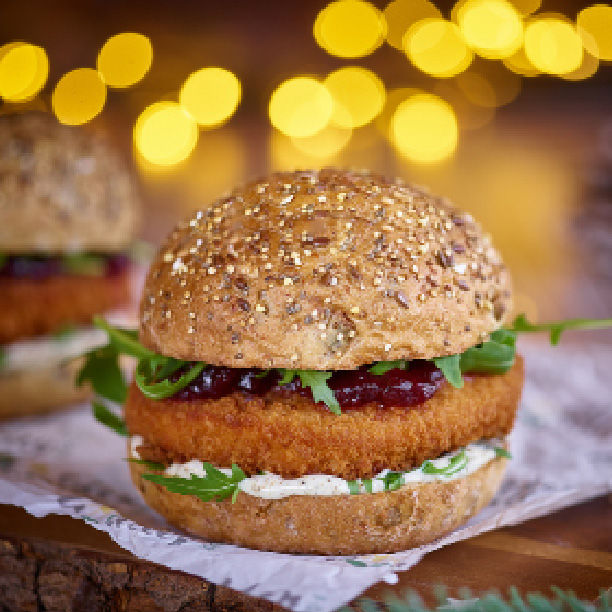
One of the strongest-performing segments is fried chicken. According to Meaningful Vision, the number of chicken shops increased by 7.2% year-on-year – the fastest growth across the fast-food sector, compared with 1.7% for other takeaway outlets. Mintel also highlights the importance of younger consumers in driving this trend, with 52% of Gen Z and 47% of millennials reporting they had eaten from a chicken shop during the previous year.
Although the modern fast-food landscape is driven by digital ordering, delivery platforms, and globally inspired cuisines, the concept itself is far from new. Historically, its origins can be traced back to Ancient Rome, where Thermopolia served hot, ready-to-eat meals to people without home kitchens. The modern fast-food model later evolved from this concept during the mid-20th century, built around consistency, affordability and convenience – principles that continue to underpin the sector’s success today.

In the UK, fast-food has evolved significantly since the first major chains arrived during the 1960s and 1970s. While burgers once dominated the category, the modern market reflects far greater diversity, with fried chicken, international flavours and inclusive menu choices helping operators appeal to changing consumer preferences.
For operators, this evolution presents significant opportunities. Consumers continue to seek value, but increasingly expect menus that deliver quality, convenience and bold flavours. Those that can balance these expectations while maintaining operational efficiency will be best placed to capitalise on the sector’s continued growth.
Trending Flavours
Fast-food popularity in the UK continues to be driven by familiar, convenient and customisable formats that deliver strong value and broad appeal. Burgers, pizzas, wraps, loaded fries and street-food inspired dishes remain key menu staples, particularly among younger consumers looking for quick, satisfying meals that fit around their busy lifestyles. At the same time, there is a growing expectation that menus offer greater variety, with plant-based options increasingly sitting alongside mainstream choices rather than being positioned as niche alternatives.
Beyond format, flavour is becoming a defining factor in purchase decisions. Evolving customer preferences for affordable indulgence and globally inspired tastes are reshaping the UK fast-food landscape, with operators increasingly focused on bold flavours and experiential menu innovation. Fried chicken, in particular, continues to dominate as one of the strongest-performing categories, supported by the rise of social media food culture and the on-going popularity of US-inspired quick service concepts.
Fried chicken has seen a significant cultural resurgence among Gen Z, becoming one of the most popular comfort food choices in the fast-food category. Once overshadowed by burgers and pizza, it is now increasingly positioned as a go-to indulgence, fuelled by TikTok and Instagram-driven visibility, nostalgia-led consumption and a desire for an emotionally satisfying eating experience.
This rise is closely linked to the trend of “borrowed nostalgia”, where younger consumers gravitate towards comfort foods associated with earlier eras or different cultures, even if they did not directly experience them. Fried chicken, in particular, sits at the centre of this shift, with its combination of indulgence, familiarity and versatility making it an ideal base for flavour innovation. As a result, operators are increasingly incorporating fried chicken within burgers, where it provides an ideal platform for bold seasoning and globally inspired flavour profiles.
Within burger builds, Nashville hot chicken has emerged as a popular choice. Defined by its cayenne-based spice coating, it delivers a heat-led, indulgent experience that works particularly well in burgers builds, balancing its crisp texture with the soft buns layered with cooling sauces and condiments. Alongside this, flavour variations such as hot honey, Korean-inspired glazes and smoky spice blends are also being used to elevate fried chicken burgers into more premium, experiential menu offerings.
For operators looking to capitalise on this demand for bold chicken-led innovation, products such as the Tyson Coated Nashville Hot Chicken Fillets provide a practical way to deliver consistent, on-trend menu items. Made from marinated chicken breast fillets with a spicy Nashville-style coating, it enables operators to introduce bold, globally inspired and heat-led flavours to menus in a consistent and operationally efficient manner.
Healthier Choices
Rising scrutiny around health, nutrition and environmental impact is adding further complexity for fast-food operators. According to Mintel, brands and foodservice operators are increasingly required to navigate these expectations carefully in order to maintain consumer trust and loyalty, balancing indulgent menu items with healthier, more sustainable alternatives. Rather than viewing health-led options as a separate category, operators are now expected to integrate them seamlessly into core menus without compromising on taste, convenience or value.
In practice, “healthier” fast-food is no longer defined solely by low-calorie options, but by greater transparency, improved nutritional balance and broader dietary inclusion. Consumers are increasingly seeking meals that align with their dietary requirements and lifestyle choices, including plant-based, allergen-free and high-fibre offerings, without sacrificing the familiarity of mainstream fast-food formats.
This shift has encouraged operators to develop menu formats that deliver both nutritional and functional benefits. For example, products such as KaterVeg! Vegetable Burgers, made from seasoned vegetables and pulses, coated in gluten-free breadcrumbs, can offer a source of fibre while meeting the PHE 2024 salt targets, while also being free-from all 14 declarable allergens. Such products that are free from major allergens and are suitable for vegetarians, vegans and coeliacs alike can help operators cater to a broad consumer base with just one format.
Importantly, nutritional positioning is also becoming a point of differentiation within the highly competitive market. As fast-food operators look to stand out, health-conscious innovation is increasingly being combined with sustainability considerations and operational practicality, ensuring that menu development supports both consumer expectations and kitchen efficiency.
From an operator perspective, this means healthier menu choices are no longer an optional add-on, but a core part of menu planning. Offering nutritionally balanced, environmentally conscious dishes allows operators to broaden appeal, strengthen trust and meet the expectations of consumers who want both indulgence and reassurance when eating out.
FAST-FOOD MENU IDEAS
1. Nashville Hot Chicken Burger: Crispy Nashville hot chicken fillet in a toasted brioche bun with creamy slaw, sliced pickles and a cooling mayo.
2. Gluten-free Plant-based burger: Seasoned vegetables and beans coated in gluten-free breadcrumbs, served in a soft gluten-free bun with tomato, red onion and burger sauce.
3. Loaded Crispy Chicken Fries: Skin-on-fries topped with crispy shredded chicken, blue cheese and buffalo sauce.
4. Vegan Crunchy Tacos: Crunchy tacos filled with seasoned vegan mince, shredded lettuce, tomato salsa, guacamole and pickled onions.
5. Dirty Loaded Chicken Nuggets: Crispy chicken nuggets topped with melted cheese, jalapenos, chipotle mayo and crispy onions.
Definitive website for readers:
Sources:
1. Mintel: UK Fast Food Restaurants Market Report 2025
2. QSR Media UK: KFC UK&I debuts new Tenders & Dips range
3. Egg Solider: UK Food & Drink | 2026/27 – Gen Z Food Trends: Sophisticated Spice
4. Michelin Guide: Nashville Is So Much More Than Hot Chicken
5. Red Dog Saloon: The History of Nashville Hot Chicken
6. Meaningful Vision: Chicken is 2025’s best performer in the UK’s fast-food market
7. BBC Bitesize: How did fast food conquer the world?
8. Tovima: Gen Z and Fried Chicken: The Crispy Comfort Food Boom
9. UNC Health Wayne: Smart Choices: Healthy Fast-Food Options to Keep You On Track
Product Focus:
KaterVeg! Gluten-free Vegetable Burgers 63g – KV2515A, Pack 1 x 4, Serving 1
Product description: Seasoned vegetables and beans, coated in gluten-free breadcrumbs. Salt level achieves PHE 2024 Target (0.69g per 100g). Source of fibre, low saturated fat and low sugar. Free from all 14 declarable allergens.
Suitability: Suitable for vegetarians, vegans and coeliacs.
Preparation:
Deep Fry: Preheat oil to 180°C and deep fry for 3 mins. Drain well before serving.
Oven: Preheat oven to 220°C/ 200°C (fan) /Gas Mark 7. Place vegetable burgers on a baking tray and cook for 20-25 mins, turning halfway through cooking time.
Air Fry: Set fryer to Bake function and preheat to 200°C. Place vegetable burgers in fryer in a single layer and cook for 15 mins, turning halfway through cooking time.
All appliances vary, these are guidelines only. Ensure vegetable burgers are piping hot throughout before serving. To maintain gluten-free and vegan integrity, please ensure all equipment used for gluten-free and vegan preparation/cooking/serving is clean or dedicated for gluten-free and vegan use only.
Tyson Coated Nashville Hot Chicken Fillet 120g – TF1001789, Pack 8 x 1.2kg, Serving 1
Product description: Fully cooked, marinated chicken breast fillet with a hot and spicy batter coating. 61.0% chicken meat. IQF for convenience.
Preparation:
Deep Fry: Preheat oil to 170°C. Place chicken pieces into fryer for 4-5 mins.
Oven: Preheat oven to 200°C. Place chicken pieces on a baking tray, in the centre of the oven and cook for 18-20 mins.
Air Fry: Preheat to 200°C. Place chicken pieces in the basket in a single layer and cook for 14-15 mins.
Remove all packaging. Ensure this product is fully cooked and piping hot throughout before consuming. All appliances vary. The instructions above are guidelines only.
Visit - www.centralfoods.co.uk
Comments